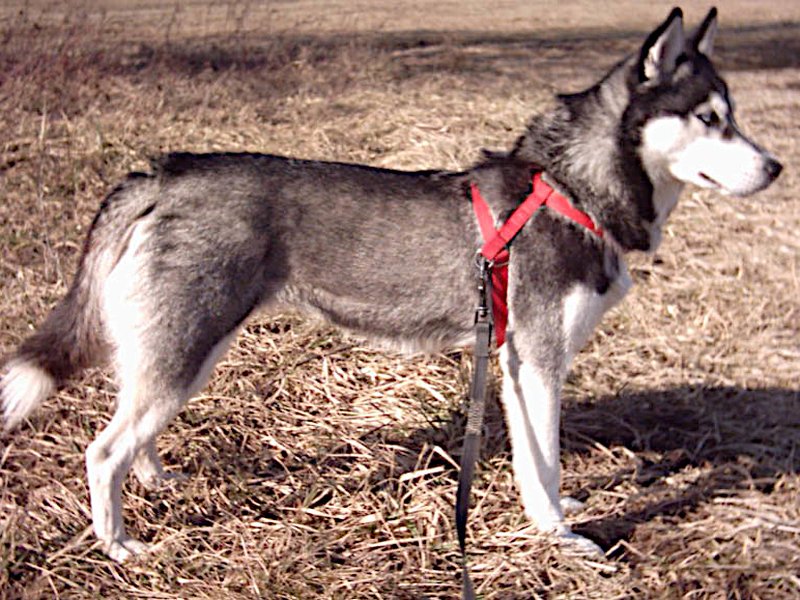
Siberian Husky
Size
medium
Weight
35-60 lbs
Height
20-23.5 inches
Lifespan
12-14 years
Activity Level
Grooming
The Siberian Husky is one of the most visually striking and captivating dog breeds in the world. With their piercing blue eyes (or sometimes one blue and one brown), wolf-like appearance, and seemingly boundless energy, Huskies have earned a devoted following — and a well-deserved reputation as one of the most challenging breeds to own. If you are considering bringing one home, our first week with your new puppy guide is essential reading for setting the right foundation from day one.
Behind the stunning looks is a working dog bred for endurance, independence, and survival in some of the harshest conditions on Earth. Understanding what that heritage means for daily life is the key to a successful relationship with a Siberian Husky. This guide covers everything prospective and current owners need to know.
History and Origins
The Siberian Husky was developed over thousands of years by the Chukchi people of northeastern Siberia. The Chukchi relied on these dogs for survival — using them to pull sleds over vast distances, hunt, and even as family companions that slept alongside children for warmth during brutal Arctic winters.
The breed’s endurance is legendary. Chukchi sled dogs could run 100+ miles per day on minimal food, navigating featureless snow-covered terrain in temperatures far below zero. This was not a pampered pet — this was a working partner that needed to think independently, conserve energy efficiently, and cooperate with a team of other dogs.
The Siberian Husky gained worldwide attention during the 1925 Nome Serum Run, when relay teams of sled dogs transported diphtheria antitoxin across 674 miles of Alaskan wilderness in just five and a half days to save the town of Nome from an epidemic. Balto, the lead dog of the final relay team, became an international celebrity, and the breed’s popularity in the United States surged.
The AKC recognized the Siberian Husky in 1930. Today, the breed ranks consistently among the top 15 most popular dogs in America, prized as a companion, show dog, and recreational sled dog.
Temperament and Personality
What Makes Siberian Huskies Special
Friendly with everyone. Huskies are genuinely friendly dogs that greet strangers, visitors, and other dogs with enthusiasm. Unlike many working breeds, they are not protective or territorial. This makes them terrible guard dogs — a Husky is more likely to show a burglar where the treats are kept than to scare them off — but wonderful family companions.
Pack-oriented. Huskies were bred to work in teams, and they thrive in social environments. They generally get along well with other dogs and enjoy having canine companions. A multi-dog household often suits a Husky’s social nature perfectly.
Gentle with children. The Chukchi raised their Huskies alongside children, and the breed retains a gentle, patient nature with kids. They are sturdy enough for active play and tolerant enough for the unpredictable behavior of young children.
Athletic and adventurous. If you love outdoor activities — hiking, running, camping, skiing — a Husky is an ideal adventure partner. Their endurance, sure-footedness, and love of exploration make them exceptional trail companions. Check out our dog-friendly hiking trails guide for inspiration.
Intelligent and entertaining. Huskies are smart, funny dogs with expressive faces and a talent for dramatic vocalizations. Living with a Husky is never boring — they are known for their comical antics, “talking” back to their owners, and theatrical displays of emotion.
Potential Challenges
Escape artists. This is perhaps the most important challenge to understand. Siberian Huskies are legendary escape artists. They can jump or climb 6-foot fences, dig under barriers, open latches, and find weaknesses in containment that you never knew existed. A securely fenced yard with dig guards and climb-proof fencing is non-negotiable. Electronic (invisible) fences do not work for most Huskies — they will run through the shock.
Independent thinkers. Unlike Golden Retrievers or German Shepherds, which are eager to please their owners, Huskies are independent-minded. They understand your commands perfectly well — they just evaluate whether complying serves their interests. This is not a defiant temperament; it is a survival trait bred into them over thousands of years.
Prey drive. Huskies have a strong prey drive and are generally not trustworthy off-leash or around cats and small animals. A squirrel, rabbit, or cat can trigger a chase response that overrides all training.
Destructive when bored. An under-exercised or under-stimulated Husky will destroy furniture, dig craters in your yard, and howl loudly enough to annoy neighbors several houses away. Puzzle toys like the KONG Classic help, but nothing substitutes for adequate physical exercise.
Care Needs
Exercise Requirements
This is the single most important aspect of Husky ownership. Siberian Huskies need a minimum of 2 hours of vigorous exercise daily. Not a leisurely stroll — vigorous, sustained activity that burns real energy.
- Running and jogging: Once fully grown (18+ months), Huskies make excellent running partners. They can comfortably run 5-10 miles at a moderate pace.
- Hiking: Huskies are natural trail dogs with excellent endurance and agility on varied terrain. Our dog-friendly hiking trails guide covers outdoor adventure tips.
- Mushing sports: Canicross (cross-country running with your dog), bikejoring (dog-powered cycling), and skijoring (dog-powered skiing) are ideal activities for Huskies.
- Fetch and play: While some Huskies enjoy fetch, many are uninterested in retrieving. Interactive play, flirt poles, and chase games often work better.
- Dog sports: Agility, rally, and even nose work provide physical and mental stimulation.
For a detailed breakdown of how the Husky’s needs compare to other breeds, see our exercise requirements by breed guide.
Under-exercised Huskies develop serious behavioral problems. If you cannot commit to 2+ hours of daily activity, this is not the right breed for you.
Grooming
Siberian Huskies have a thick double coat consisting of a soft, dense undercoat and longer, straight guard hairs. This coat is naturally self-cleaning and does not produce the “doggy odor” common in many breeds — most Huskies need baths only a few times per year.
However, the shedding is extraordinary.
- Regular shedding: Brush 2-3 times per week with an undercoat rake or Furminator deshedding tool. For more technique guidance, read our dog grooming tips guide.
- Coat blows (twice yearly): During spring and fall, Huskies “blow” their entire undercoat over 2-3 weeks. During this period, brush daily — sometimes twice daily. You will remove enough fur to build another dog.
- Never shave a Husky. Their double coat provides insulation against both cold and heat, protects against sunburn, and regulates body temperature. Shaving damages the coat and can cause it to grow back improperly.
- Nail trimming: Every 2-3 weeks.
- Ear cleaning: Weekly, especially after outdoor activities.
- Dental care: Brush 3+ times per week. Read our dog dental care guide for proper technique.
Nutrition
Siberian Huskies are efficient metabolizers — they were bred to run long distances on relatively little food. This means they often eat less than you would expect for a dog their size.
- Quality protein: Look for foods with real meat as the first ingredient. Huskies do well on moderate-to-high protein diets. Our Blue Buffalo Life Protection review covers a solid option.
- Omega fatty acids: Essential for maintaining the thick, healthy coat. Look for foods with fish oil or flaxseed.
- Zinc supplementation: Huskies are uniquely prone to zinc deficiency, which can cause hair loss and crusty skin lesions (zinc-responsive dermatosis). Some Huskies need zinc supplements even on high-quality diets. Consult your veterinarian if you notice skin issues.
- Portion control: Huskies will self-regulate their food intake better than most breeds — some will skip meals when not hungry. Do not overfeed. A lean Husky is a healthy Husky. Check our guide to choosing dog food for portion and nutrition guidance.
Health Considerations
Siberian Huskies are a relatively healthy breed with good longevity (12-14 years), but several conditions are worth monitoring:
Hip Dysplasia: Abnormal hip joint development that can lead to arthritis and pain. Reputable breeders screen with OFA evaluations. Maintaining a healthy weight and providing joint-supportive nutrition helps manage risk.
Eye Conditions: The breed is predisposed to several eye problems, including cataracts (often juvenile cataracts appearing between 6-18 months), progressive retinal atrophy (PRA), and corneal dystrophy. Annual ophthalmologic exams are recommended. The Siberian Husky Health Foundation tracks eye health data for the breed.
Hypothyroidism: An underactive thyroid gland that can cause weight gain, lethargy, skin problems, and coat changes. Easily managed with daily medication once diagnosed.
Zinc Deficiency Dermatosis: Unique to Arctic breeds, this condition causes hair loss, crusty lesions, and skin irritation, particularly around the face and paws. Treatment involves zinc supplementation and dietary adjustment.
Follicular Dysplasia: A condition causing hair loss and poor coat quality, typically appearing in young adults. While not painful, it affects coat appearance and requires management.
Training Tips for Siberian Huskies
Training a Husky requires a fundamentally different approach than training a people-pleasing breed like a Golden Retriever or Labrador. Here is what works:
-
Accept their independence. Huskies are not disobedient — they are independent thinkers. They will always evaluate “what is in it for me?” before complying. Make training worth their while with high-value rewards.
-
Keep sessions short and varied. Huskies get bored with repetition. Five-minute training sessions with novel challenges work better than 30-minute drills of the same command.
-
Use high-value rewards. Regular kibble may not motivate a Husky. Real meat treats, play rewards, and access to running often work better. Find what your individual dog values most.
-
Never trust off-leash in unfenced areas. No amount of training can reliably override a Husky’s prey drive and wanderlust. Always use a leash in unfenced areas.
-
Socialize extensively. Expose your Husky puppy to as many people, dogs, environments, and experiences as possible during the 8-16 week socialization window. Our puppy socialization guide has a detailed checklist.
-
Crate train early. A crate provides a safe, destructive-behavior-free space when you cannot supervise. See our crate training guide for a step-by-step approach.
-
Provide mental enrichment. Puzzle feeders like the Outward Hound Fun Feeder, frozen stuffed KONGs, and scent games keep a Husky’s active mind engaged and reduce boredom-driven misbehavior.
Is a Siberian Husky Right for You?
A Husky Is a Great Fit If:
- You are an active person who exercises 2+ hours daily (running, hiking, cycling, skiing)
- You have a securely fenced yard with dig guards and climb-proof fencing
- You enjoy having a social, vocal, entertaining dog with a big personality
- You have experience with dogs or are committed to working with a professional trainer
- You have other dogs at home (Huskies are happier with canine companions)
- You can tolerate significant shedding and commit to regular grooming
- You live in a moderate or cool climate (or can manage heat carefully)
A Husky May Not Be Right If:
- You want an off-leash reliable dog (Huskies cannot be trusted off-leash in unfenced areas)
- You live in a small apartment without access to extensive outdoor exercise areas
- You work long hours and the dog would be home alone regularly
- You have cats or small animals (Huskies have a strong prey drive)
- You want a quiet dog (Huskies howl, talk, and vocalize frequently)
- You want a low-shedding breed (Huskies shed heavily, especially during seasonal coat blows)
- You are looking for a guard dog or protection dog (Huskies are too friendly)
You Might Also Like
- German Shepherd Breed Guide — A similarly athletic working breed with stronger handler focus
- Golden Retriever Breed Guide — A friendlier, more trainable alternative for active families
- Australian Shepherd Breed Guide — Another high-energy breed with a stronger desire to please
- Furminator Deshedding Tool Review — The essential grooming tool for managing Husky shedding
- Best Dog Toys for Aggressive Chewers — Durable toys that survive Husky jaws
- Dog-Friendly Hiking Trails Guide — Huskies are exceptional trail companions
- Exercise Requirements by Breed — How the Husky’s needs compare to other breeds
Frequently Asked Questions
Recommended Products for Siberian Huskys
Barking Goods is reader-supported. When you buy through links on our site, we may earn an affiliate commission at no extra cost to you. As an Amazon Associate I earn from qualifying purchases. Learn more.
Blue Buffalo Life Protection Formula
Provides balanced nutrition with real chicken as the first ingredient and includes omega fatty acids for coat health -- critical for maintaining the Husky's thick double coat.
Furminator Undercoat Deshedding Tool (Large, Long Hair)
Siberian Huskies blow their undercoat twice a year in dramatic shedding events. The Furminator reaches through the topcoat to remove loose undercoat without damaging the guard hairs.
KONG Classic (Large)
Huskies are notorious destroyers of lesser toys. The KONG Classic withstands aggressive chewing and can be stuffed with frozen treats to provide mental enrichment for this intelligent breed.
ChuckIt Ultra Ball
Durable enough for extended fetch sessions that help burn off the Husky's seemingly limitless energy. High-visibility orange is easy to spot during outdoor adventures.
Health Considerations
- Hip dysplasia
- Eye conditions (cataracts, PRA, corneal dystrophy)
- Hypothyroidism
- Zinc deficiency dermatosis
- Follicular dysplasia
Always consult with your veterinarian about your dog's specific health needs.
Related Breeds
Frequently Asked Questions
Are Siberian Huskies good for first-time dog owners?
How much exercise does a Siberian Husky need?
Do Siberian Huskies shed a lot?
Can Siberian Huskies live in warm climates?
Why do Huskies howl instead of bark?
Are Siberian Huskies good with cats and small animals?
Get Expert Pet Tips in Your Inbox
Join 10,000+ pet parents. Get weekly product picks, care tips, and exclusive deals delivered straight to your inbox. No spam, unsubscribe anytime.
No spam. Unsubscribe anytime.

Written by
Dr. Sarah ChenVeterinary Editor, DVM
Dr. Sarah Chen is a licensed veterinarian with over 10 years of clinical experience in small animal medicine. After earning her Doctor of Veterinary Medicine degree from Cornell University, she spent seven years in private practice before transitioning to veterinary journalism and pet product education. As Barking Goods' Veterinary Editor, Dr. Chen reviews all health and nutrition content for accuracy and ensures our recommendations align with current veterinary science. She's a Certified Veterinary Journalist and a member of the American Veterinary Medical Association (AVMA). When she's not reviewing content, she volunteers at her local animal shelter and spoils her two rescue dogs, Mochi and Biscuit.