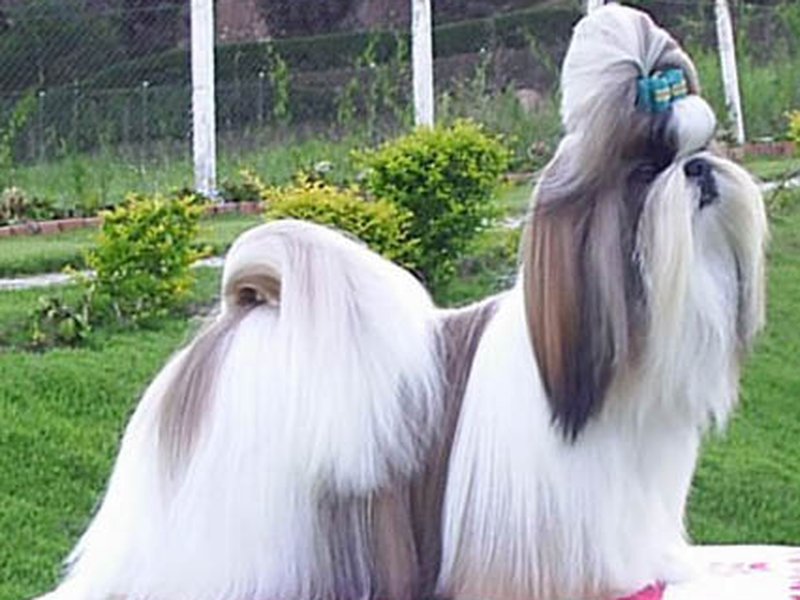
Shih Tzu
Size
small
Weight
9-16 lbs
Height
9-10.5 inches
Lifespan
10-18 years
Activity Level
Grooming
The Shih Tzu is one of the oldest and most endearing dog breeds in the world — a little lion dog that has been warming laps, charming courts, and delighting families for over a thousand years. With their flowing coats, upturned faces, and irresistible personality, Shih Tzus have earned their status as one of America’s most popular toy breeds, consistently ranking in the AKC’s top 20. If you are bringing one home, our first week with your new puppy guide will help you navigate the critical first days with your new companion.
The name “Shih Tzu” translates to “lion dog” in Mandarin, but there is nothing fierce about this breed. The Shih Tzu is a lover, not a fighter — bred for centuries with no purpose other than to be an exceptional companion. This guide covers everything you need to know about living with, caring for, and understanding the charming Shih Tzu.
History and Origins
The Shih Tzu’s history stretches back over a millennium, rooted in the palaces and temples of imperial China and Tibet. The breed is believed to have been developed by crossing the Lhasa Apso (a Tibetan temple dog) with the Pekingese (a Chinese palace dog), though the exact origins are debated by breed historians.
What is not debated is the Shih Tzu’s status as a cherished companion of Chinese royalty. For centuries, these dogs were bred and kept exclusively within the Chinese imperial palace. The Dowager Empress Tzu Hsi (Cixi) was particularly devoted to the breed in the late 19th and early 20th centuries, maintaining extensive breeding programs within the Forbidden City. Shih Tzus were considered sacred — gifts from the emperor, never sold — and were believed to be earthly representatives of the Buddhist lion.
The breed nearly went extinct during the Chinese Communist Revolution of 1949. Fortunately, several Shih Tzus had been exported to England and other European countries in the 1930s and 1940s. The entire modern Shih Tzu population descends from just 14 dogs — seven males and seven females — that survived this bottleneck.
The AKC recognized the Shih Tzu in 1969, and the breed’s popularity in America has grown steadily since. Today, the Shih Tzu is one of the most popular toy breeds in the world, beloved for the same qualities that charmed Chinese emperors: an affectionate nature, regal bearing, and an undeniable charm that is impossible to resist.
Temperament and Personality
What Makes Shih Tzus Special
Born to be a companion. The Shih Tzu was bred for one purpose only: to be a devoted companion. They did not herd livestock, guard property, or retrieve game. Their sole job was to provide affection, warmth, and entertainment to their owners — and they still perform this job beautifully. A Shih Tzu is happiest when sitting in your lap, following you around the house, or snuggling beside you on the couch.
Surprisingly outgoing. Unlike some toy breeds that are timid or nervous, Shih Tzus are confident and outgoing. They enjoy meeting new people, greet visitors warmly, and are generally unfazed by new environments and situations. This social confidence makes them pleasant dogs to take out in public and good candidates for therapy work.
Playful with a sense of humor. Shih Tzus have a playful, clownish streak that keeps their owners entertained. They enjoy fetch (on their own terms), playful romps around the house, and inventing games. Many Shih Tzu owners describe their dogs as having a genuine sense of humor — they seem to know when they are being funny and enjoy the reaction.
Adaptable and low-key. Shih Tzus are remarkably adaptable dogs that fit comfortably into a wide range of living situations. Apartment, house, city, suburbs, single-person household, large family — a Shih Tzu adjusts easily. They do not demand a specific lifestyle or intense exercise regimen. This adaptability is one of the breed’s greatest strengths.
Good with everyone. Shih Tzus generally get along well with children, other dogs, cats, and seniors. They are not territorial or aggressive and have a patient, tolerant nature that makes them safe around kids and compatible with multi-pet households.
Potential Challenges
Stubbornness. Shih Tzus have an independent streak that can manifest as stubbornness, particularly during house training. They are intelligent enough to learn what you want — they just sometimes decide they do not feel like complying. Patience, consistency, and high-value rewards overcome this tendency.
House training difficulty. Shih Tzus are consistently ranked among the more difficult breeds to house train. Their small bladders, stubborn streak, and sometimes cavalier attitude toward rules make the process longer than with many breeds. Consistent schedules, frequent trips outside, and crate training are essential.
Grooming demands. There is no sugar-coating this: the Shih Tzu’s beautiful coat requires substantial grooming. Daily brushing is required for a long coat, and even a short “puppy cut” needs regular maintenance. Neglecting grooming leads to painful matting that can cause skin infections and require a complete shave-down.
Brachycephalic concerns. Like the French Bulldog, the Shih Tzu’s flat face causes varying degrees of breathing difficulty, heat sensitivity, and exercise intolerance. While generally less severe than in Frenchies, brachycephalic issues are a real consideration.
Care Needs
Exercise Requirements
The Shih Tzu is a low-energy breed with modest exercise needs — one of its most appealing qualities for apartment dwellers, seniors, and people with limited mobility.
- Daily exercise: 20-30 minutes of moderate activity, split into 1-2 short walks plus some playtime
- Ideal activities: Short, leisurely walks (15-20 minutes), indoor play and fetch, gentle games, exploring the backyard
- Activities to avoid: Prolonged exercise, intense running, exercise in hot or humid weather, and activities that stress the respiratory system
- Mental stimulation: Puzzle toys like the KONG Classic and Outward Hound Fun Feeder, training sessions, and interactive games provide the mental engagement Shih Tzus enjoy
Due to their brachycephalic anatomy, Shih Tzus should not be exercised vigorously, especially in warm weather. Walk during cooler parts of the day (early morning or evening), carry water, and watch for signs of respiratory distress — excessive panting, gasping, or slowing down. For a comparison of exercise needs across breeds, see our exercise requirements by breed guide.
Grooming
Grooming is the Shih Tzu’s biggest care requirement. Their gorgeous, flowing coat comes at a price — significant time and effort.
Full coat (long):
- Daily brushing: 15-20 minutes with a pin brush and metal comb, working through the coat section by section to the skin. Misting with a detangling spray before brushing prevents breakage.
- Professional grooming: Every 4-6 weeks for bathing, trimming, and coat maintenance. Budget $50-$80 per session.
- Topknot: Long-coated Shih Tzus need their head hair tied up in a topknot to keep it out of their eyes. This needs to be redone daily.
Puppy cut (short):
- Brushing: Every other day with a slicker brush. Much more manageable than the full coat.
- Professional grooming: Every 6-8 weeks for a trim and maintenance.
- Recommendation: Most pet Shih Tzu owners opt for the puppy cut for practical reasons. It is far easier to maintain, more comfortable for the dog, and reduces the daily grooming time from 15-20 minutes to just a few minutes.
For all coat lengths:
- Eye care: Daily cleaning around the eyes with a damp cloth or eye wipe to prevent tear staining. Shih Tzus have large, prominent eyes that are prone to irritation and excessive tearing. Read our complete dog grooming tips guide for technique details.
- Ear cleaning: Weekly. Long, hairy ears trap moisture and debris, creating an environment for infections.
- Dental care: Daily brushing is strongly recommended. Shih Tzus are very prone to dental disease due to their small, crowded mouths and misaligned teeth. Dental disease is one of the most common health issues in the breed and, left untreated, can cause pain, tooth loss, and systemic infections. Our dog dental care guide provides a complete routine.
- Nail trimming: Every 2-3 weeks.
- Facial fold care: Some Shih Tzus have folds around the nose that need regular cleaning to prevent irritation and infection.
Nutrition
Shih Tzus have straightforward nutritional needs with a few breed-specific considerations:
- Small breed formula: Shih Tzus need a high-quality small-breed dog food with appropriately sized kibble for their small mouths and brachycephalic jaw. Our Blue Buffalo Life Protection review covers a quality small-breed option.
- Omega fatty acids: Support coat and skin health, which is important for maintaining the Shih Tzu’s impressive coat.
- Weight management: Shih Tzus gain weight easily, and obesity is a common problem. Excess weight worsens brachycephalic breathing issues, stresses joints prone to luxation, and contributes to back problems. Measure portions precisely and resist those pleading eyes. See our guide to choosing dog food for portion and nutrition guidance.
- Dental-supportive diet: Some foods and dental chews can help reduce tartar buildup, supporting the dental care routine that is so important for this breed.
- Slow feeding: Brachycephalic dogs swallow more air when eating quickly. A slow feeder bowl like the Outward Hound Fun Feeder reduces gulping and the gas and digestive discomfort that come with it.
Health Considerations
Shih Tzus are generally healthy dogs with excellent longevity (10-18 years), but several breed-specific conditions require awareness:
Brachycephalic Airway Syndrome: The Shih Tzu’s flat face causes varying degrees of airway compromise. Stenotic nares (narrowed nostrils), elongated soft palate, and other structural abnormalities can restrict airflow. Most Shih Tzus have mild brachycephalic symptoms (snoring, snorting), but some have more significant respiratory compromise. Severe cases may benefit from surgical correction. All Shih Tzus should be protected from heat stress and overexertion.
Dental Disease: This is one of the most common and underappreciated health concerns in Shih Tzus. Their small jaws and crowded, sometimes misaligned teeth create an environment where plaque and tartar accumulate rapidly. Without diligent dental care, periodontal disease can develop early in life, causing pain, tooth loss, and potentially spreading infection to the heart, kidneys, and liver. Professional dental cleanings and daily home care are important.
Eye Problems: The Shih Tzu’s large, prominent eyes are vulnerable to several conditions. Proptosis (eye dislodgement from the socket, usually from trauma) is a breed-specific emergency. Keratoconjunctivitis sicca (dry eye), cataracts, progressive retinal atrophy, and corneal ulcers also occur at higher rates. Protect the eyes from injury and irritation, clean them daily, and seek veterinary attention immediately for any eye redness, cloudiness, or squinting.
Patellar Luxation: Common in small breeds, this condition causes the kneecap to slip out of position. Signs include intermittent skipping or limping on a back leg. Mild cases may need no treatment; moderate-to-severe cases require surgical correction.
Intervertebral Disc Disease (IVDD): The Shih Tzu’s long back relative to its height creates vulnerability to disc problems. IVDD causes pain, weakness, and in severe cases, paralysis. Prevent jumping from heights, maintain a healthy weight, and use ramps for furniture and car access.
Hip Dysplasia: While more commonly associated with large breeds, hip dysplasia does occur in Shih Tzus. Reputable breeders screen for this condition.
Training Tips for Shih Tzus
Training a Shih Tzu requires patience and a sense of humor. They are intelligent enough to learn anything — they just operate on their own timeline:
-
Prioritize house training. Start immediately and be prepared for a longer process. Take your Shih Tzu outside every 1-2 hours, after meals, after naps, and after play. Reward lavishly for outdoor elimination. Clean indoor accidents thoroughly with enzymatic cleaner. Crate training is highly effective — see our crate training guide.
-
Use high-value rewards. Standard kibble may not motivate a Shih Tzu. Small pieces of real chicken, cheese, or other high-value treats get much better results. Find what your individual dog considers irresistible.
-
Keep sessions short and fun. Shih Tzus lose interest in repetitive drills. Keep training sessions to 5-10 minutes, use variety, and end on a positive note. Games and play-based training work better than formal obedience drills.
-
Be patient and positive. Harsh corrections do not work with Shih Tzus — they shut down or become avoidant. Gentle, positive methods build cooperation and trust. If you are frustrated, take a break. A Shih Tzu mirrors your emotional state.
-
Socialize early. Expose your Shih Tzu puppy to different people, dogs, environments, and experiences during the 8-16 week socialization window. Our puppy socialization guide provides a complete checklist. Well-socialized Shih Tzus are confident and pleasant in any situation.
-
Manage the “Shih Tzu stare.” Shih Tzus are masters of the soulful stare that says “I have no idea what you want.” Do not be fooled. They understand — they are evaluating whether compliance serves their interests. Patience and consistency prevail.
Is a Shih Tzu Right for You?
A Shih Tzu Is a Great Fit If:
- You want a loving, affectionate lap dog that adores human companionship
- You live in an apartment or small home (Shih Tzus are ideal apartment dogs)
- You are a senior looking for a gentle, low-energy companion
- You are a first-time dog owner looking for an adaptable, forgiving breed
- You have children (Shih Tzus are patient and gentle with kids)
- You want a long-lived breed (10-18 years) that provides many years of companionship
- You are willing to commit to regular grooming (daily brushing or regular professional grooming)
- You prefer a quiet dog that does not bark excessively
A Shih Tzu May Not Be Right If:
- You want a jogging, hiking, or running partner (Shih Tzus cannot handle vigorous exercise)
- You live in a very hot, humid climate without air conditioning (brachycephalic heat sensitivity)
- You are unwilling to commit to regular grooming (matting causes real suffering)
- You want a quick, easy house training experience (Shih Tzus are notoriously challenging to house train)
- You are looking for an off-leash reliable dog (their stubborn streak makes recall unreliable)
- You want a guard dog or protective breed (Shih Tzus are too friendly and small)
- You are away from home for very long hours daily without pet-sitting arrangements
You Might Also Like
- French Bulldog Breed Guide — Another popular brachycephalic companion breed to compare
- Cavalier King Charles Spaniel Breed Guide — A similar-sized companion with different grooming needs
- Poodle Breed Guide — A hypoallergenic alternative with higher energy
- Best Dog Beds — Shih Tzus love a cozy place to rest
- Best Dog Grooming Tips — Essential reading for every Shih Tzu owner
- Dog Dental Care Guide — Critical for a breed highly prone to dental disease
- Best Dog Harnesses — Always use a harness (not a collar) for brachycephalic breeds
Frequently Asked Questions
Recommended Products for Shih Tzus
Barking Goods is reader-supported. When you buy through links on our site, we may earn an affiliate commission at no extra cost to you. As an Amazon Associate I earn from qualifying purchases. Learn more.
Blue Buffalo Life Protection Formula Small Breed
Small kibble size is essential for the Shih Tzu's small mouth and brachycephalic jaw structure. Contains omega fatty acids for coat health and is formulated for the nutritional needs of small breeds.
Furminator Undercoat Deshedding Tool (Small)
While Shih Tzus shed less than many breeds, their dense double coat benefits from regular undercoat maintenance. The Furminator helps reduce loose hair and prevents the matting that is this breed's biggest grooming challenge.
KONG Classic (Small)
Shih Tzus enjoy gentle play and food puzzles. The small-sized KONG can be stuffed with treats to provide mental stimulation and help manage mild separation anxiety during short absences.
Outward Hound Fun Feeder Slow Bowl
Brachycephalic dogs like Shih Tzus tend to gulp air when eating quickly, worsening breathing difficulties and causing gas. A slow feeder encourages more measured eating and reduces air intake.
Health Considerations
- Brachycephalic airway syndrome
- Patellar luxation
- Hip dysplasia
- Eye problems (proptosis, dry eye, cataracts)
- Dental disease
- Intervertebral disc disease
Always consult with your veterinarian about your dog's specific health needs.
Related Breeds
Frequently Asked Questions
Are Shih Tzus good for first-time dog owners?
How much grooming does a Shih Tzu need?
Do Shih Tzus have breathing problems?
Are Shih Tzus hypoallergenic?
How long do Shih Tzus live?
Can Shih Tzus be left alone during the workday?
Get Expert Pet Tips in Your Inbox
Join 10,000+ pet parents. Get weekly product picks, care tips, and exclusive deals delivered straight to your inbox. No spam, unsubscribe anytime.
No spam. Unsubscribe anytime.

Written by
Dr. Sarah ChenVeterinary Editor, DVM
Dr. Sarah Chen is a licensed veterinarian with over 10 years of clinical experience in small animal medicine. After earning her Doctor of Veterinary Medicine degree from Cornell University, she spent seven years in private practice before transitioning to veterinary journalism and pet product education. As Barking Goods' Veterinary Editor, Dr. Chen reviews all health and nutrition content for accuracy and ensures our recommendations align with current veterinary science. She's a Certified Veterinary Journalist and a member of the American Veterinary Medical Association (AVMA). When she's not reviewing content, she volunteers at her local animal shelter and spoils her two rescue dogs, Mochi and Biscuit.